Many people don't have a “spending problem.” They have a leak problem. Tiny repeating charges that feel harmless in the moment can add up to hundreds each month for many households, especially when they stack.
I've been there. Back when I was juggling student loans and credit card payments, I kept thinking I needed a bigger paycheck. What I actually needed was to plug the small holes first. Once I did, saving stopped feeling impossible.

Below is my go-to checklist of sneaky expenses that drain savings, plus simple ways to cut them without turning your life into a spreadsheet prison.
One quick note: when you see “FrugalGrid move” below, that's just my shorthand for a small, high-impact tweak that pays off fast.
Quick gut check: find leaks in 15 minutes
- Open your last 30 to 60 days of transactions (bank + credit card).
- Search for: subscription, monthly, membership, fee, delivery, tip, convenience, interest, trial.
- Circle anything that repeats or anything you barely remember buying.
- Pick two leaks to fix today. Momentum beats perfection.
If your bank has a recurring-merchant filter, use it. If not, exporting to CSV can make repeats jump out.
1) Forgotten subscriptions and free trials
Why it's sneaky: It's rarely one big charge. It's $6.99 here, $12.99 there, plus an app you meant to cancel after the free trial.
Cut it without pain
- Do a subscription sweep: list every recurring charge with its monthly cost.
- Use the “two streaming rule”: keep two at a time, rotate monthly.
- Cancel from the source: if you subscribed through Apple/Google, cancel in your App Store/Play Store account. If you subscribed on a website, cancel there.
- Set an annual reminder for any subscription you keep (especially yearly renewals).
FrugalGrid move: If you're hesitant to cancel, pause it for 30 days (when available). If you don't miss it, it goes.
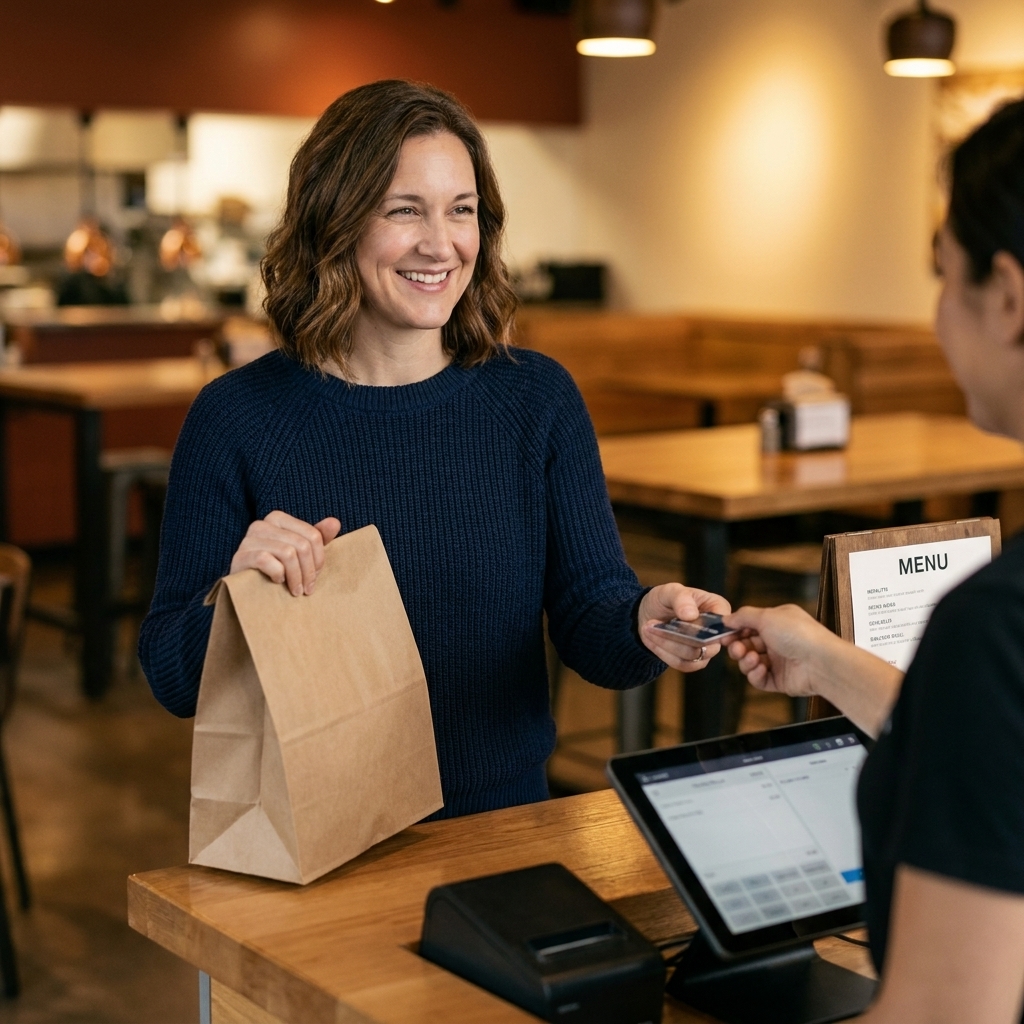
2) Delivery fees and service fees
Why it's sneaky: A $14 meal can often jump to $20 to $30+ after fees, tips, and markups, depending on the app and your area.
Cut it without feeling deprived
- Cap delivery to one set day per week (or per month) instead of “whenever.”
- Keep a 10-minute emergency meal list: frozen dumplings, canned soup upgrades, breakfast-for-dinner, rotisserie chicken salads.
- Pick up instead of delivery when you want restaurant food.
- Order directly from the restaurant when possible. Some have lower fees than third-party apps.
3) Bank fees and ATM charges
Why it's sneaky: A $3.50 ATM fee doesn't hurt until you realize you did it eight times this month. And some banks tack on their own fee, too.
Cut it fast
- Switch to a no-fee checking account if your current bank nickels and dimes you.
- Use in-network ATMs only and withdraw cash once a week, not daily.
- Ask for fees to be reversed if this is unusual for you. Some banks may do a one-time courtesy refund if you ask quickly and you have a solid account history.
Watch for: monthly maintenance fees, overdraft fees, out-of-network ATM fees, paper statement fees.
4) Overdrafts and missed payments
Why it's sneaky: Overdraft fees, late fees, and returned payment fees are basically a tax on being busy and stressed.
Cut it with a simple system
- Turn on balance alerts (most banks let you set a threshold like $100).
- Put bills on autopay for at least the minimum due.
- Create a mini buffer: aim for $200 to $500 in checking as your “oops cushion.”
- Move due dates so bills land right after payday, if your lenders allow it.
If you're already overdrafting: In the short term, opt out of overdraft coverage for debit card purchases and ATM withdrawals so those transactions decline instead of triggering a fee. That usually won't stop overdrafts from ACH payments, checks, or autopay bills, so the buffer and alerts still matter.
5) Convenience store snacks
Why it's sneaky: It feels like a tiny treat. But $4 drinks and $6 snacks add up fast, especially at gas stations.
Cut it without going cold turkey
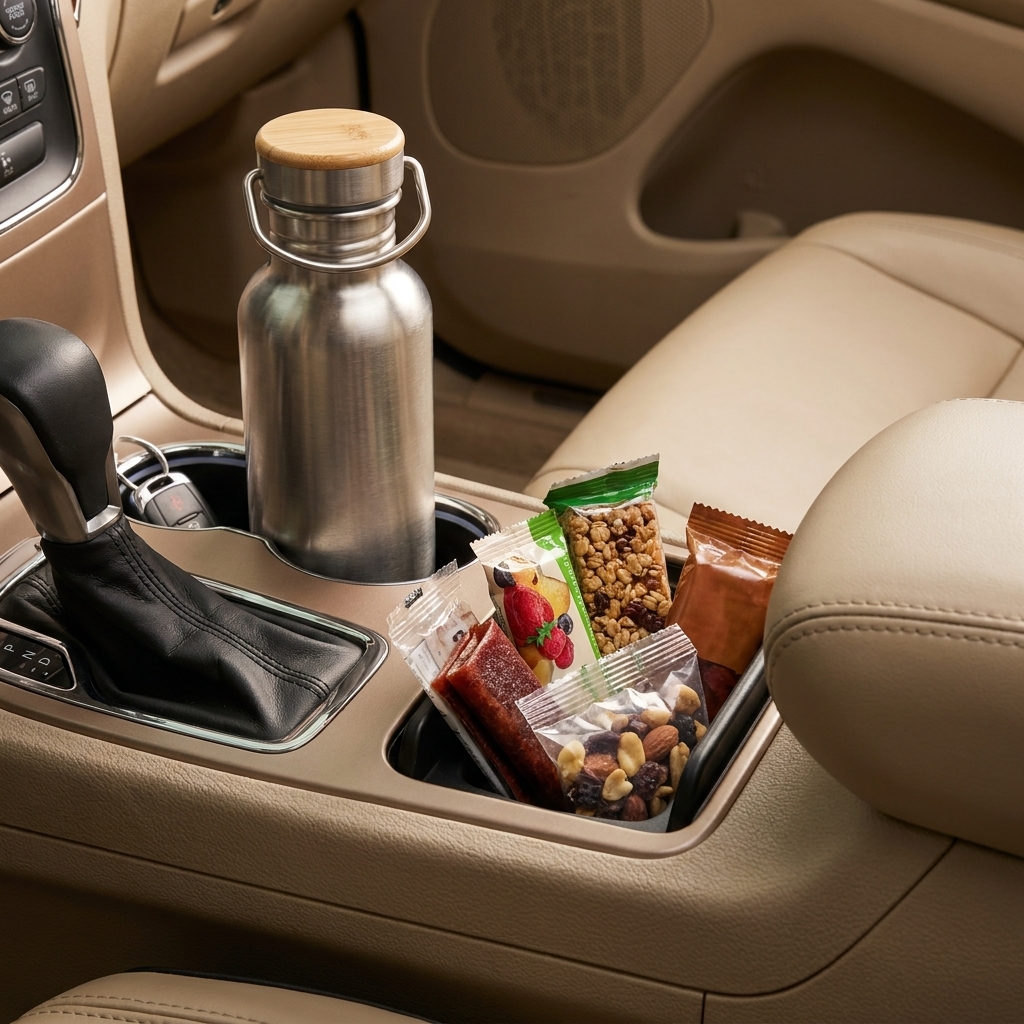
- Create a snack lane: keep granola bars, jerky, nuts, or crackers in your bag and car.
- Bring a drink: water bottle, iced coffee from home, or store-brand seltzer.
- Budget fun snacks on purpose: for example, $15 per week. When it's planned, it stops being a leak.
6) Auto-renew memberships you don't use
Why it's sneaky: Gyms, warehouse clubs, beauty boxes, VIP shipping programs, and “member pricing” can be a good deal, but only if you actually use them.
Cut it with one question
Ask: “Would I buy this again today at full price?” If not, cancel.
- Negotiate or downgrade: many gyms have cheaper tiers. Same with software and shipping memberships.
- Split household memberships when allowed (family plans can reduce cost per person).
- Put renewal dates on your calendar 7 days before they hit.
7) High-interest credit card debt
Why it's sneaky: Interest is invisible until you realize your balance isn't dropping, even though you're paying every month.
Cut it step by step
- Pay more than the minimum by setting an automatic “extra” payment, even $25.
- Stop new charges temporarily if you can. Put the card somewhere inconvenient.
- Call and ask for a lower APR or a hardship plan if you're struggling.
- Consider a 0% balance transfer only if you have a payoff plan and can avoid new debt. Watch the transfer fee, the promo end date, and the risk of score impacts from a new account or higher utilization.
Reality check: Cutting $40 in fees is great. But cutting high variable APR interest (often 20%+ on many cards) can change your whole life. If you have credit card debt, this is one of the biggest “savings leaks” there is.
8) Grocery extras in every trip
Why it's sneaky: Not the groceries. The extras. A fancy drink, a seasonal aisle candle, a quick “treat,” a second bag of chips because it's on sale.
Cut it without eating sad meals
- Shop with a list and add one fun item on purpose.
- Use a hand basket for quick trips. It creates a natural limit.
- Try curbside pickup if impulse buys are your kryptonite.
- Make a house snack rule: choose two snacks and stick to them until they're gone.

9) Name-brand autopilot
Why it's sneaky: Buying the same brands out of habit can cost a lot over a year. Store brands are sometimes made by the same manufacturers and, even when they're not, many are comparable in quality.
Cut it with a low-stress swap plan
- Swap one category at a time: cereal, pantry staples, paper goods, cleaning supplies.
- Do a taste test at home before committing for good.
- Use unit price (price per ounce or per count) to compare fairly.
Easy wins: oats, pasta, canned beans, frozen vegetables, spices, foil, trash bags, basic medications.
10) Home energy leaks
Why it's sneaky: Utility bills drift up slowly. Small things add up: a few degrees on the thermostat, old light bulbs, long showers, and drafty doors.
Cut it without becoming a cave-dweller
- Set a thermostat schedule (or use eco mode) and commit for two weeks.
- Replace the most-used bulbs with LEDs first.
- Unplug energy vampires or use a power strip for the TV area.
- Fix the obvious: running toilet, leaky faucet, torn weather stripping.
FrugalGrid move: Compare your last 3 utility bills. If one jumped, call and ask if there was a rate change or a usage spike. Sometimes you catch a problem before it gets expensive.
A simple plan for this week
If the list feels like a lot, don't try to fix everything. Fix one leak, then another. That's how it sticks.
- Day 1: Cancel one subscription you forgot you had.
- Day 2: Turn on low-balance and bill due alerts.
- Day 3: Pick an ATM plan (one weekly withdrawal, in-network only).
- Day 4: Choose two emergency meals to keep at home.
- Day 5: Move $25 to savings the moment you get paid, then repeat every paycheck.
If you do nothing else, do this: every time you cut a leak, immediately send that exact amount to savings. Otherwise, lifestyle creep will quietly “spend” it for you.
Mini example: cancel a $12.99 app, then set an automatic $13 monthly transfer to savings. You won't miss it, and you'll actually keep the win.
Plugging leaks isn't about deprivation. It's about getting your money back on your side.
Checklist: scan for these now
- Streaming, music, app subscriptions
- Cloud storage and software renewals
- Gym, club, VIP memberships
- Delivery fees and tips
- ATM and bank fees
- Overdraft and late fees
- Credit card interest charges
- Convenience snacks and drinks
- Grocery impulse buys
- Higher utility usage
FAQ
How much can these leaks add up to?
Often more than people expect. Two forgotten subscriptions ($25), a couple ATM fees ($12), one delivery order ($15 in fees), and a few convenience snacks ($30) can push past $80 in a month. That's $984 a year, and that's before interest and late fees.
What should I cut first if I feel overwhelmed?
Start with anything that charges you for nothing: unused subscriptions, avoidable bank fees, and late fees. Those cuts usually don't reduce your quality of life at all.
Where should the extra money go?
In this order, I like: (1) a small emergency fund buffer, (2) high-interest debt, (3) longer-term savings goals. If you're paycheck-to-paycheck, even a $300 cushion can prevent the next overdraft or credit card swipe.