I love the idea of a chest freezer. In my head, it is always full of perfectly portioned meals, bargain meat, and freezer muffins that make future me feel cared for.
In real life, a freezer can be a money saver or a money sink. The difference usually comes down to two things:
- Whether you actually use the extra space to buy food you will eat (not just food you feel proud to buy).
- Whether your all-in cost (freezer + electricity + risks) is lower than your realistic savings (not the optimistic kind).
This guide walks you through a simple break-even calculation you can do in 10 to 20 minutes. No grocery sermon. Just the math, plus a few real-world gotchas people forget.
What “worth it” means
When people say a chest freezer “pays for itself,” they usually mean one of these:
- Cash savings: You spend less on food overall.
- Time savings: Fewer store runs, easier meal planning.
- Stress savings: You feel more secure with backup food.
This article focuses on cash break-even, because it is the easiest to measure. If your main goal is stress or convenience, you might still choose a freezer even if it breaks even slowly. Just make that a conscious choice, not a surprise.
The break-even math
You only need four numbers:
- Upfront cost (one-time)
- Monthly electricity cost (ongoing)
- Expected monthly loss from spoilage risk (ongoing)
- Realistic monthly savings (ongoing)
Net monthly benefit = monthly savings minus (monthly electricity + expected monthly loss)
Break-even months = upfront cost divided by net monthly benefit
If you like tidy rules of thumb, here is one: if your net monthly benefit is small, a freezer turns into a very expensive storage bin. If it is meaningful and your break-even is under roughly 24 to 36 months, many households feel good about it as a personal-finance target. That threshold depends on your risk tolerance, whether you are financing the purchase, and how long you expect the freezer to last.
Step 1: Upfront cost
The purchase price is only the beginning. Add the real “get it into your house and working” costs. A typical all-in range for a new chest freezer purchase is often a few hundred dollars, but your number may be higher or lower.
- Freezer price + tax
- Delivery (or fuel, straps, and a rental truck if you are picking up)
- Haul-away or disposal (if replacing an old unit)
- Basics that keep it usable (a thermometer, a couple of bins or baskets, labels)
- Optional but common (surge protector, dolly, outlet work if you do not have a safe plug where you want the freezer)
What to write down: your best estimate of the one-time upfront total.
One more line item to consider: resale value. If you might sell the freezer later (moving, downsizing, upgrading), you can subtract a conservative resale estimate from your upfront cost to get an “effective” upfront cost. Keep it modest so you do not talk yourself into the purchase.
Step 2: Electricity cost
You have two solid ways to estimate electricity. Pick the easiest one and move on.
Use the EnergyGuide number
Most models list an estimated kWh per year. Multiply that by your electricity rate (your bill usually shows a price per kWh).
Annual electricity cost = kWh per year × $ per kWh
Monthly electricity cost = annual cost divided by 12
Measure it
If you want real-world data, plug the freezer into a plug-in electricity meter and measure after the temperature stabilizes. A week is usually enough to get a usable baseline.
Estimated annual kWh = (kWh used over test period divided by days) × 365
Then multiply by your $ per kWh as above.
One note people overlook: a hot garage can push usage up. If the freezer is going into an unconditioned space, use the higher end of your estimate instead of the lowest.
Step 3: Monthly savings
Chest freezers save money in two main ways. Use one or both.
Discount savings
This is the “stock up when it is on sale” idea. The trap is counting discounts on food that ends up freezer-burned or forgotten.
Pick 3 to 6 items you already buy consistently and would realistically store, then estimate the savings you can repeat. Not once, repeatedly.
- Meat you actually cook (chicken thighs, ground beef, pork shoulder)
- Butter, bread, tortillas
- Frozen vegetables you use weekly
- Batch-cooked meals you already make (soups, sauces, cooked beans)
How to calculate one item: (amount you will freeze per month) × (regular price minus sale price)
Waste reduction
This one is sneakier but often more realistic. If you routinely throw out food because you did not cook it in time, freezing some of it can reduce waste.
Estimate what you toss in a typical month that could have been frozen and later eaten. Meat, bread, and leftovers are common. If you want a more honest number, track waste for two weeks and double it.
The “actually eaten” haircut
If your freezer tends to become a time capsule, apply a haircut to your savings so your math reflects real life. Think of this as the difference between what you freeze and what you eventually eat.
- 90%: You rotate inventory and label regularly.
- 75%: You are decent, but things get forgotten.
- 60%: You are buying the dream version of yourself. No shame, just math.
Adjusted monthly savings = (discount savings + waste reduction) × actually eaten percentage
Step 4: Spoilage risk
Now subtract the costs that quietly erode those savings.
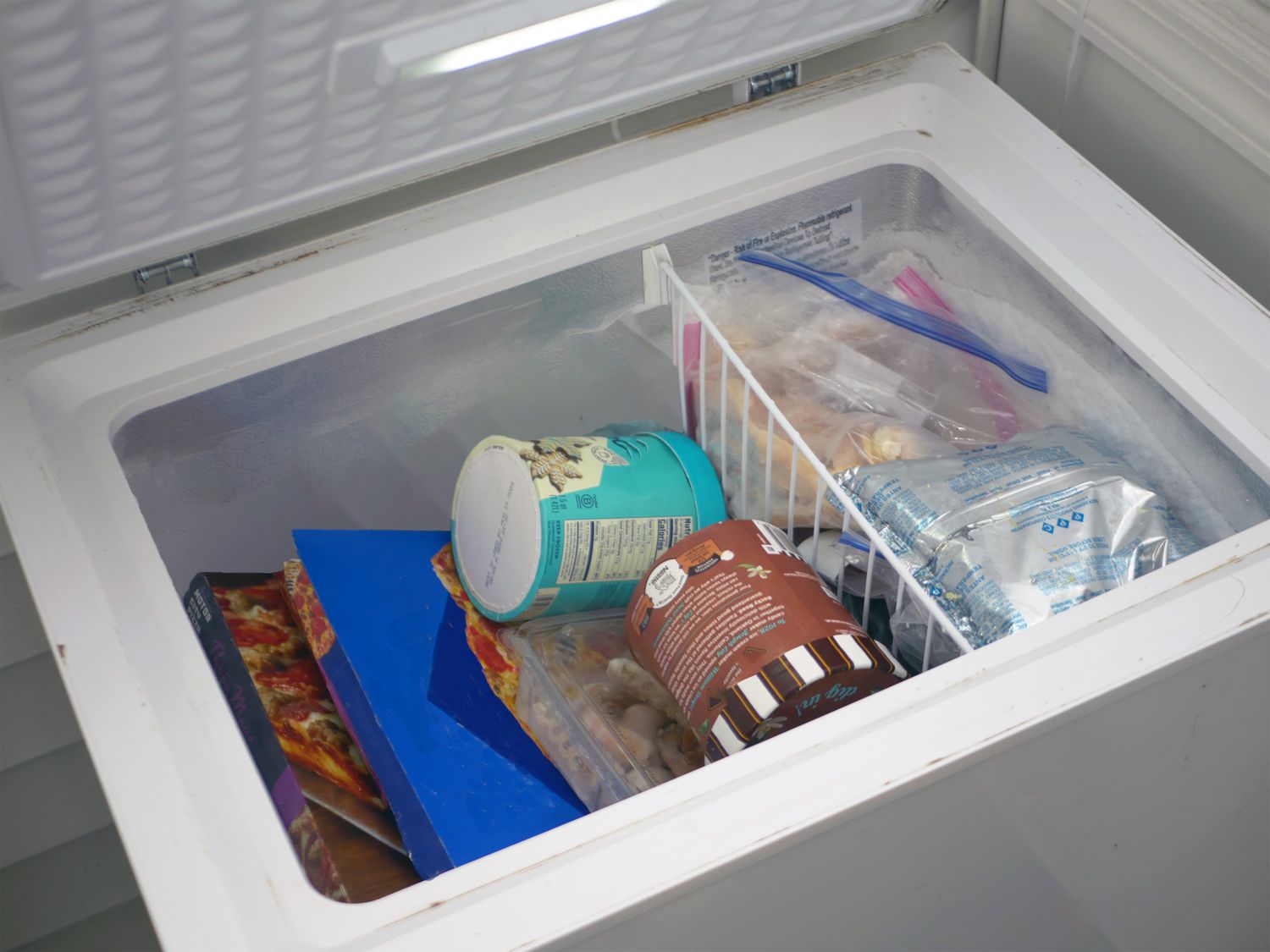
A full freezer holds temperature better than an empty one because there is more thermal mass and less warm air swapping in when you open the lid. Still, outages happen, breakers trip, doors get left cracked, and garages get hot. Also, do not overpack so tightly that you cannot close the lid properly or you struggle to rotate food.
You do not need to be paranoid. You just need to price in the possibility of loss.
Start with: the typical dollar value of food you expect to keep in the freezer, on average.
Then choose a simple annual risk level that matches your reality. These are back-of-napkin starting points, not actuarial rates:
- Low (2% to 5%): stable power, someone is home often, you do not travel much
- Medium (6% to 10%): occasional outages or storms, garage outlet is shared, you travel sometimes
- High (11% to 20%): frequent outages, older wiring, long trips, or you know your house is hard on appliances
Expected annual loss = average food value × annual risk percentage
Expected monthly loss = expected annual loss divided by 12
If you install a temperature alarm, that does not make the risk zero, but it can justify using a lower risk percentage.
Step 5: Space check
This part is not a line in the formula. It is a sanity check that affects whether your savings estimates come true.
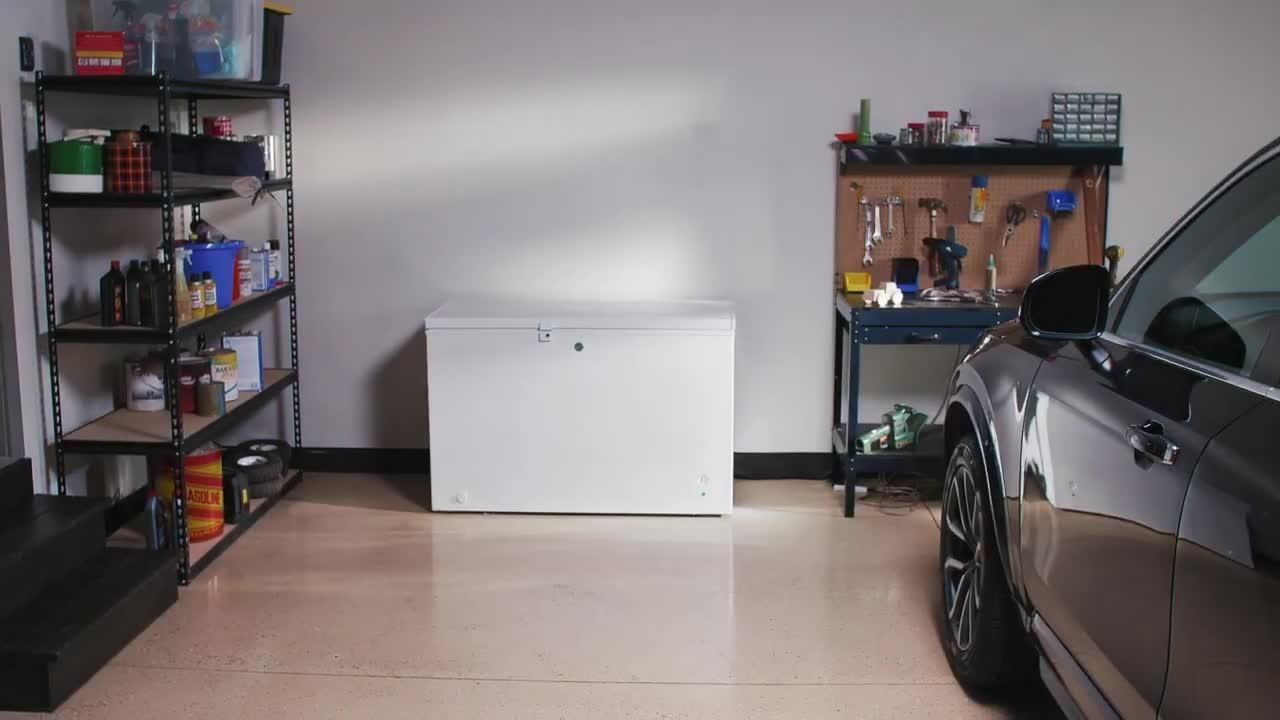
This is where the annoying question matters: Where is it going?
- Will it block car doors in the garage?
- Will you have to move it to access storage?
- Will the lid open fully where you put it?
- Will it live somewhere hot that raises electricity use?
If the freezer is hard to access, you use it less, forget what is in it more, and your “actually eaten” percentage drops. That is a real cost, even if it is not a line item on a bill.
Example calculation
Here is a realistic example that does not assume perfection.
- Upfront cost: $420 (freezer, tax, delivery, a couple of bins, thermometer)
- Electricity: 300 kWh per year at $0.17 per kWh = $51 per year, or $4.25 per month
- Food value kept on hand: $500 on average
- Annual spoilage risk: 8%
- Expected spoilage loss: $500 × 0.08 = $40 per year, or $3.33 per month
- Discount savings: $22 per month
- Waste reduction: $18 per month
- Actually eaten percentage: 75%
Adjusted monthly savings = ($22 + $18) × 0.75 = $30.00 per month
Net monthly benefit = $30.00 minus ($4.25 + $3.33) = $22.42 per month
Break-even months = $420 divided by $22.42 = about 19 months
That is solid. Not magical. Solid.
When it is not worth it
I am not here to talk you into a new appliance. These are common situations where the numbers struggle:
- You are tight on space and will resent it or avoid using it.
- Your household does not eat many freezer-friendly foods, or you prefer very fresh produce and frequent cooking.
- You already waste very little food and do not have access to meaningful sale pricing.
- Power outages are frequent and you cannot mitigate risk.
- You are carrying credit card debt and would finance the freezer at a high interest rate.
In those cases, the best choice might be the option nobody brags about: not buying it.
Lower-commitment options
If your break-even is long or uncertain, you can still get some “freezer wins” without buying a second freezer.
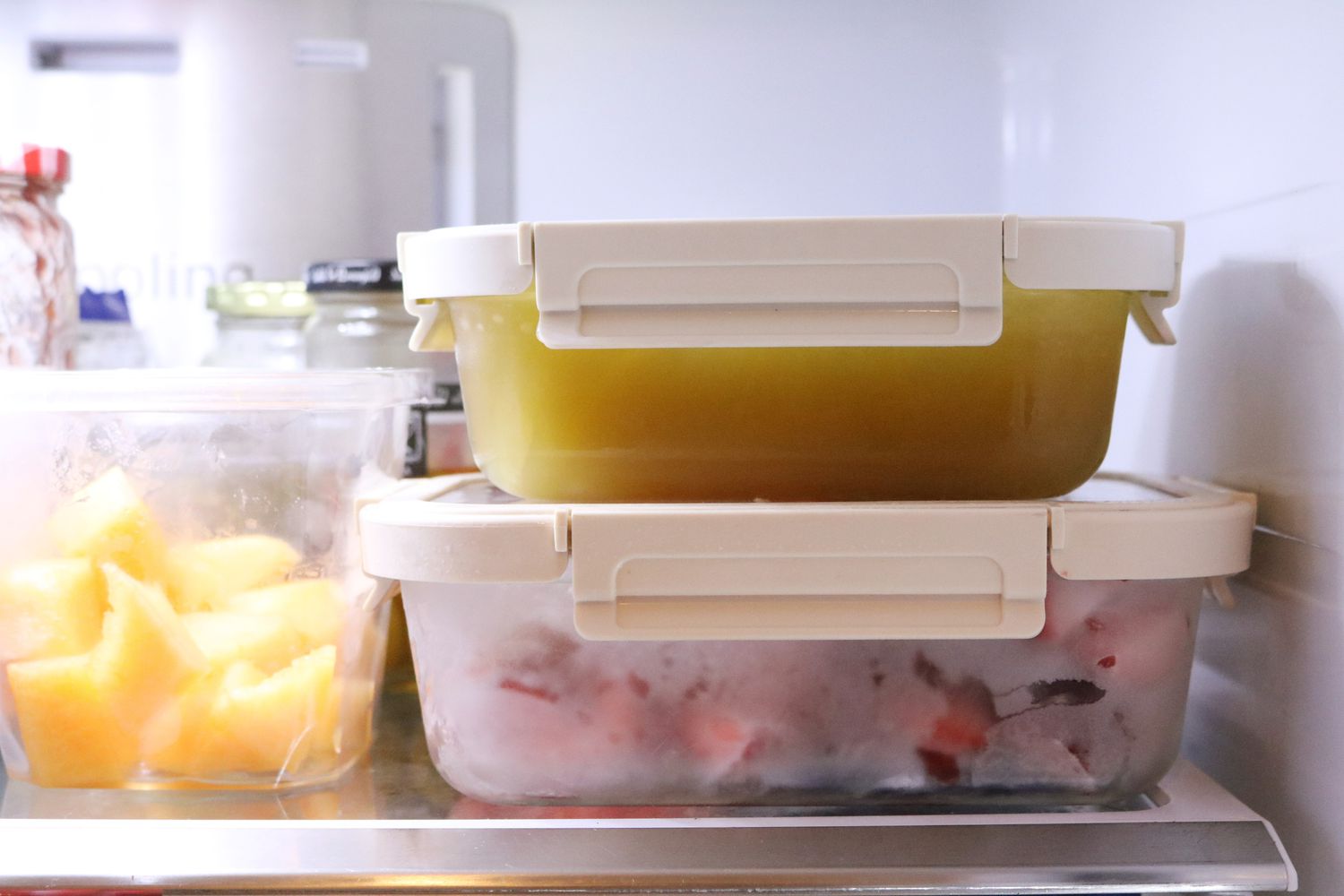
- Do a 30-day freezer trial: Use your existing freezer and track what you freeze, what you eat, and what gets forgotten. Then your “actually eaten” percentage becomes real data.
- Split bulk buys with a friend: You get the discount without storing 40 pounds of anything.
- Buy used with a strict budget: A lower upfront cost can make the math work, but account for unknown efficiency and no warranty.
- Pick one goal: If you only want to stock sale meat or batch meals, get containers and a rotation system first.
Habits that keep it profitable
No lectures, just the few behaviors that directly affect your break-even math:
- Keep an inventory list on the lid or in a note app. This boosts the “actually eaten” percentage more than almost anything else.
- Freeze in usable portions. If you freeze five pounds in one block, you are forcing future you to cook five pounds.
- Label and date so older food gets used first.
- Leave headroom in your budget for stocking up. A freezer does not save money if it pushes you into overspending.
- Plan for outages with a thermometer or alarm and a simple check routine before trips.
Also worth knowing: chest freezers often need occasional defrosting and cleaning. It is not usually a big cash cost, but it is part of the real-life friction that can affect how well you use it.
FAQ
How much does a chest freezer cost to run?
It depends on the model’s kWh per year and your electricity rate. Efficient models often work out to a relatively small monthly cost, but the only number that matters is yours. Check the EnergyGuide label or measure with a plug-in meter. A hot garage and frequent opening can raise real usage.
Should I count the cost of filling it?
Not as a one-time cost, because you would buy groceries anyway. What matters is whether the freezer changes prices paid and waste. If it pushes you to buy more than your normal grocery budget, that is a behavioral cost and it will show up as weaker savings.
Does a fuller freezer run cheaper?
A reasonably full freezer holds temperature more steadily when opened and during short outages because the contents help stabilize temperature and there is less air sloshing around. But do not use that as a reason to overbuy. Buying extra food you do not eat is still expensive, even if it is efficiently stored.
What if I finance the freezer?
If you finance it, add the monthly interest and fees to your ongoing costs (right alongside electricity and spoilage risk). Financing can turn a quick break-even into a long one, especially with credit card rates.
What break-even is “good”?
There is no universal rule. A break-even under 24 to 36 months is a common personal-finance target if your assumptions are conservative. If you expect to move soon, rarely cook at home, or know you struggle with freezer rotation, you may want a faster payback to feel comfortable.
Bottom line
A chest freezer can absolutely earn its keep, but it is not automatic. The most honest way to decide is to run a simple break-even calculation using:
- your all-in upfront cost
- your real electricity rate
- your spoilage exposure
- your realistic savings on food you will actually eat
If the net monthly benefit is meaningful and the break-even timeline fits your comfort zone, the freezer is a tool that can pay you back. If the math is thin, skip it or try the lower-commitment options first.