If you’ve ever had a perfectly normal month wrecked by a not-so-surprising expense, like a car repair, a yearly subscription, or holiday spending, you’re not alone. For years, my budget would look fine on paper, and then real life would show up with a tire blowout or a birthday invite and I’d feel like I “failed” at money again.
Sinking funds are the fix for that. They are simple, boring, and wildly effective.
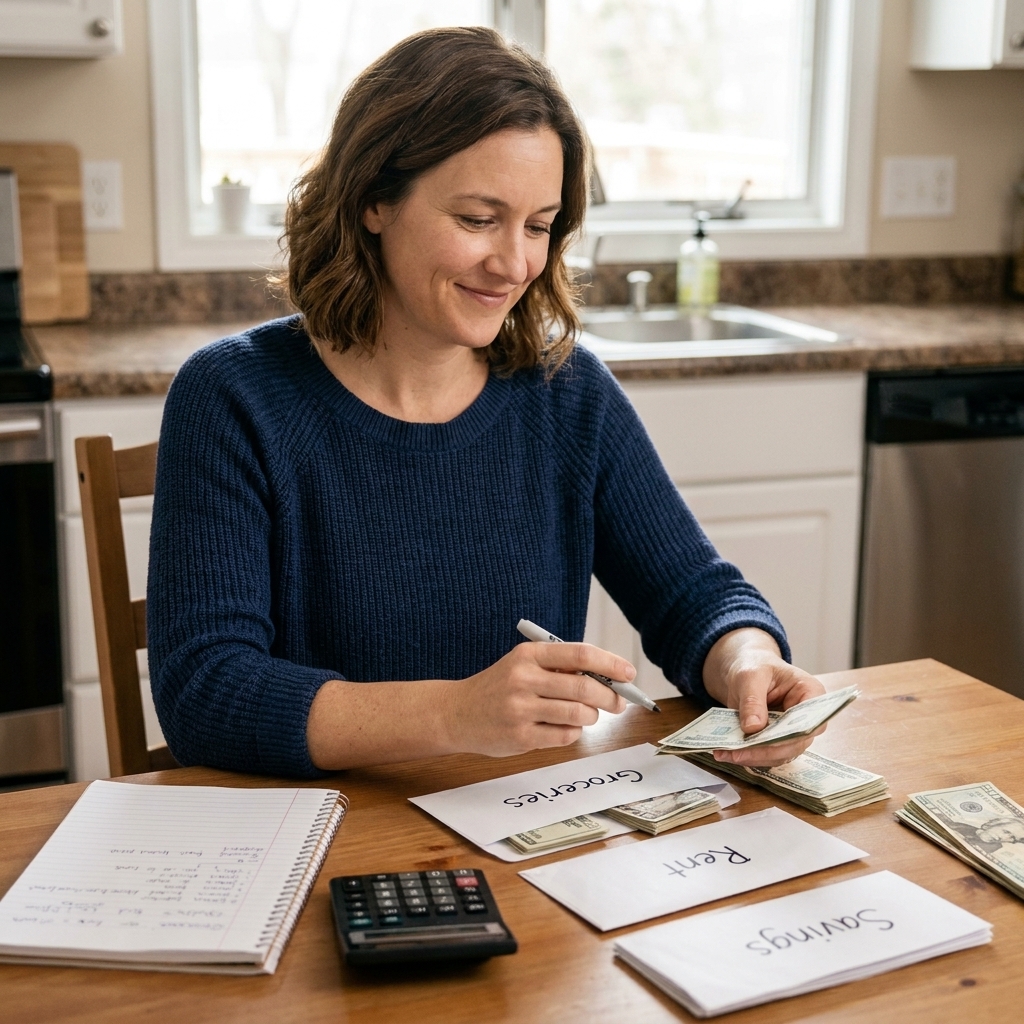
Sinking funds are small savings buckets for planned expenses you know are coming, just not in this exact paycheck.
What is a sinking fund?
A sinking fund is money you set aside little by little for a specific upcoming expense. The key word is planned. That expense might be:
- Expected but irregular (car maintenance, home repairs)
- Regular but annual (car registration, Amazon Prime, insurance premiums)
- Predictable but optional (holidays, travel, back-to-school, gifts)
Instead of hoping your checking account can “handle it” when the time comes, you decide ahead of time: This expense is real, and Future Me deserves a plan.
Sinking fund vs. emergency fund
This is where a lot of people get tripped up, especially if you’re trying to build savings and pay down debt at the same time.
Emergency fund
Your emergency fund is for true surprises and income disruptions: layoffs, medical emergencies, urgent travel, a major home issue you could not reasonably predict.
Sinking funds
Sinking funds are for expenses that are not a surprise if we’re being honest with ourselves. Car repairs are a great example. The exact timing is annoying, but maintenance and repairs are part of owning a car.
If you keep using your emergency fund for planned costs, two things happen:
- Your emergency fund never grows, because it keeps getting “borrowed.”
- Every planned expense feels like a crisis, which is exhausting.
Think of it like this: your emergency fund is the fire extinguisher. Sinking funds are the smoke detector and the routine maintenance that prevents fires in the first place.
How sinking funds work
Sinking funds are just “expense math” broken into smaller, kinder pieces.
Step 1: Name the expense.
Step 2: Estimate the total cost.
Step 3: Divide by the number of paychecks you have until you need it.
Here’s a quick example:
- You pay car insurance every 6 months.
- The premium is $720.
- You get paid biweekly, so there are typically about 13 paychecks in a 6 month stretch.
$720 ÷ 13 = about $56 per paycheck.
Now that bill is not a financial jump scare. It’s a line item you can handle.
| Expense | Total Needed | Time Until Due | Save Per Month |
|---|---|---|---|
| Car registration | $180 | 12 months | $15 |
| Holiday gifts | $600 | 10 months | $60 |
| Vet visits | $300 | 6 months | $50 |
These numbers do not need to be perfect. They need to be good enough to keep you out of panic mode.
Common sinking funds
If you’re new to this, you do not need 17 categories on day one. Start with the few that regularly throw you off.
Home and car
- Car maintenance and repairs (oil changes, tires, brakes)
- Car insurance deductible (if you drive regularly, this is peace of mind)
- Home repairs and replacements (tools, small fixes, replacing worn-out items)
Annual and semi-annual bills
- Car registration and inspection
- Subscriptions billed annually
- Professional fees or memberships
- Property taxes or HOA fees (if applicable)
Life and fun (yes, these count)
- Birthdays and gifts
- Holidays
- Travel
- Back-to-school
- Haircuts and personal care
I want to gently say this part out loud: sinking funds are not “extra” or “frivolous.” Planning for joy and relationships is part of a stable budget. The goal is to stop feeling blindsided by your own life.

How to set up sinking funds
The best system is the one you will actually use when you’re tired, busy, and it’s the day before payday.
Option 1: Separate savings accounts
Some banks let you create multiple savings “buckets” or sub-accounts. This is a clean setup if you like seeing the categories clearly.
- Pros: Organized, hard to accidentally spend, great for big categories
- Cons: Can get cluttered if you create too many
Option 2: One savings account with a simple tracker
Keep one savings account and track your sinking funds in a spreadsheet, notes app, or budgeting app. The bank balance is the total, and your tracker tells you what each dollar is for.
- Pros: Easy, flexible, fewer accounts
- Cons: Requires you to keep the tracker updated
Option 3: Cash envelopes
If you tend to overspend when money is digital, cash can be a game changer. Use envelopes for categories like gifts, holidays, or personal spending.
- Pros: Very tangible, great for controlling spending
- Cons: Not ideal for large amounts or online purchases
Quick safety note: I do not recommend keeping a large emergency fund in cash at home. But small sinking funds for short-term spending can be fine if it fits your life.
Make it automatic
If you can, set an automatic transfer on payday. Even a small recurring amount turns sinking funds from a good idea into something that actually happens in real life.
How much to save each month
There’s no one “right” number, but here’s a realistic way to choose amounts without overwhelming your budget:
1) Start with what’s due soon
Look at the next 90 days. Any planned expense coming up should get first priority, even if it’s a small amount.
2) Fund the categories that keep causing debt
If you tend to swipe a credit card for car repairs or holiday gifts, those are the sinking funds that will reduce your stress the fastest.
3) Keep it boringly affordable
If your budget is tight, your first sinking fund contributions might be $10 to $25 per paycheck. That is still progress. A small plan beats a perfect plan you never follow.
When to use a sinking fund
Use it when:
- The expense matches the category you planned for
- Using it will not disrupt rent, groceries, or minimum debt payments
- You are following your own timeline (for example, holiday gifts in December)
Do not use it when:
- You’re trying to cover an unrelated impulse purchase
- The situation is a true emergency and you need your emergency fund
- You already spent the sinking fund and you are tempted to pretend it “doesn’t count”
One practical tip: when you spend from a sinking fund, log it the same day. This is the part that keeps your system honest and keeps you from accidentally double-spending money that already has a job.

If you’re in debt
Yes, in most cases you should still do sinking funds. Here’s why: sinking funds prevent you from creating new debt.
When I was paying off my own debt, I learned the hard way that debt payoff plans fall apart when life happens and you have no buffers. Even a small sinking fund can keep you from running back to the credit card.
A simple approach if you’re overwhelmed:
- Keep a small emergency fund starter amount you can sleep with (many people start with $500 to $1,000).
- Create 1 to 3 sinking funds for your most common “budget busters” (car, annual bills, holidays).
- Put the rest of your extra money toward high-interest debt.
You’re building a floor under your finances, not trying to do everything at once.
Beginner mistakes
Too many categories
If you have 12 sinking funds and you’re putting $5 in each, you will feel like nothing is working. Start with the big three that actually impact your life.
Ignoring irregular income
If your income fluctuates, set sinking funds as “percent goals” or “minimums.” For example: $25 minimum per paycheck, and extra when you have it.
Not adjusting after real-world data
Your first estimates will be wrong sometimes. That’s okay. If car repairs cost more than you planned, update the target for next year. The win is learning before it becomes a crisis.
Using sinking funds to overspend
A sinking fund is a plan, not a hall pass. If you saved $400 for holiday gifts, that’s your limit unless you intentionally adjust the budget somewhere else.
Starter list
If you want a no-drama starting point, here’s a set that works for a lot of households:
- Car maintenance: $25 to $100 per month (depending on your car and driving)
- Annual bills: total of your yearly subscriptions and fees divided by 12
- Holidays and gifts: expected spending divided by months until the season
- Medical and dental: co-pays, prescriptions, routine visits
Pick two to start. Add more only when the habit is running smoothly.
FAQ
Are sinking funds the same as savings goals?
They’re close, but sinking funds are usually for expenses you plan to spend (insurance, gifts, repairs). Savings goals often imply money you plan to keep or grow (emergency fund, down payment, retirement). You can use the same method for both.
Where should I keep sinking fund money?
For near-term sinking funds (roughly the next 12 months), a high-yield savings account is usually a great fit: safe, separate from checking, and earning a bit of interest. Just make sure transfers are fast enough for your timing and that any minimum balance rules work for you.
If the goal is farther out and you have flexibility on access, you might consider options like CDs or Treasury bills to potentially earn more than a typical savings account while keeping risk low. The main idea is to avoid market risk for money you need on a specific timeline.
What if an expense happens earlier than I planned?
Use what you have in the sinking fund and cover the rest from your current month’s budget if possible. If you truly cannot, that may be an emergency fund situation. Then adjust the sinking fund amount going forward so you are better prepared next time.
Do sinking funds replace a budget?
No. They are part of a budget. Think of them as the bridge between monthly budgeting and real-life expenses that do not politely arrive on a monthly schedule.
The bottom line
Sinking funds are one of the most practical ways to stop living in financial whiplash. They let you handle normal life without draining your emergency fund, leaning on credit cards, or feeling like you did something wrong.
Start small. Pick one expense that always messes with your month, set a realistic monthly amount, and let consistency do the heavy lifting. Future You is going to feel so much lighter.